Buying Guides
How UK Distributors Sell Flat Wax Seals to Wedding Stationers
UK distributors: wax seal stamps wholesale UK, flat wax seal stamp 25mm, custom wax seal stamps bulk, wax seal supplier China, pre-made wax seal stickers wholesale, wedding wax seal supplier.
A wedding stationer in Bath has just shown a couple a deep relief seal. It looks beautiful on the desk. Three weeks later, half the mailed invitations arrive chipped, and the stationer is on the phone to you. Sell her the right seal first, and that call never happens.
Start with flat. A flat 25mm brass head makes a seal that sits low on the envelope and survives Royal Mail sorting machines far better than a thick relief seal. Relief looks deeper in a photo, but its raised lines are the first to chip in the rollers. For a mailed suite, flat is the sale. Keep relief for hand-delivered suites.
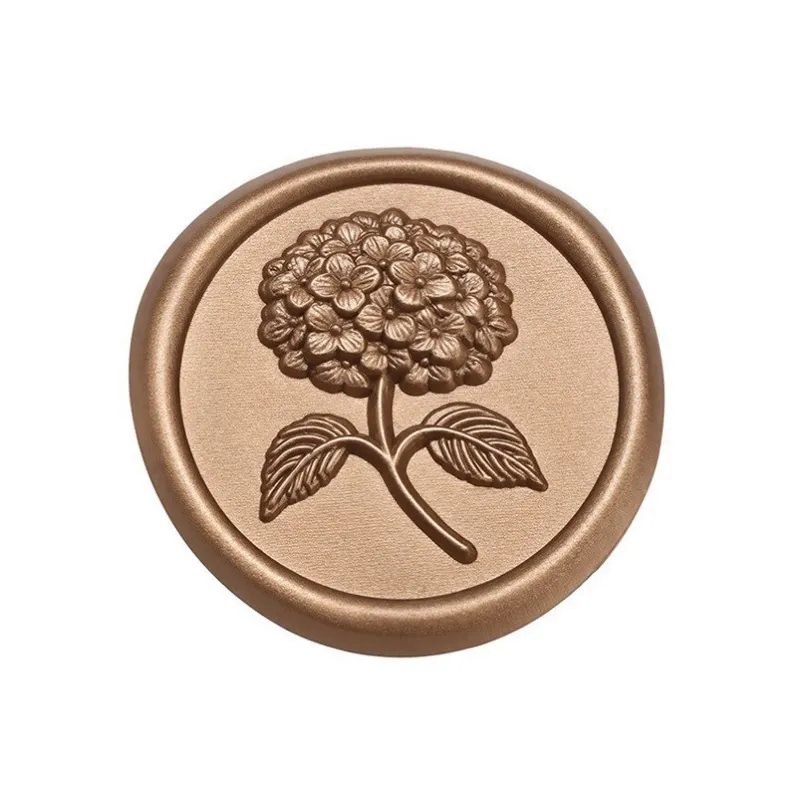
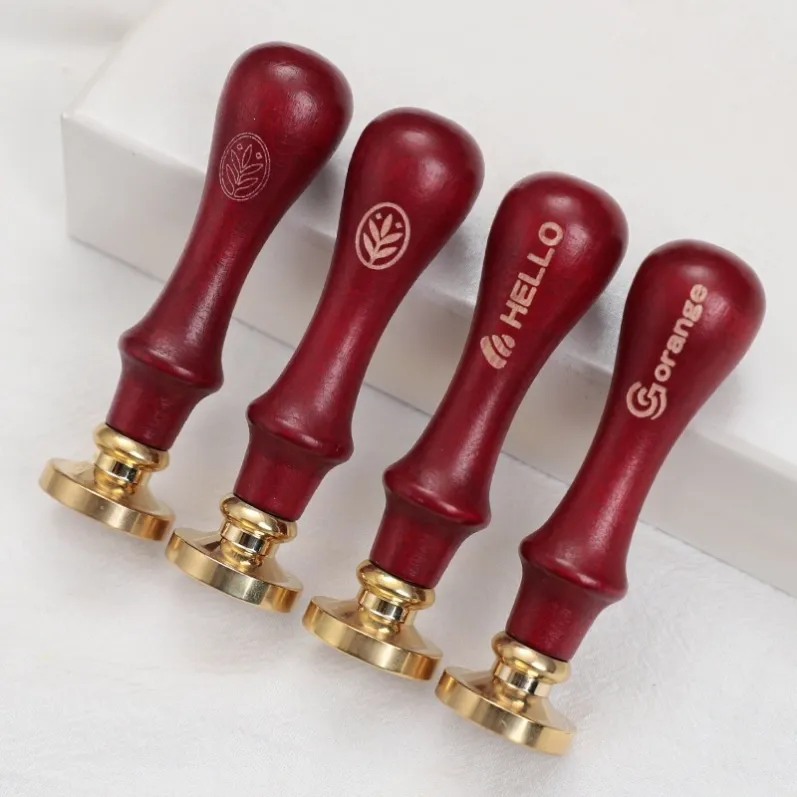
Sell size with a paper test, not a picture. Cut out 25mm and 30mm circles and lay them on a real flap. A finished seal is wider than the stamp head — about 30mm from a 25mm head. Stock 25mm as your core size. Order 30mm only for a full name or a detailed crest.
Sell the pair, not the single stamp. Real poured wax goes on the inner envelope, where guests actually see it. A flexible pre-made seal, 28mm or 32mm, goes on the outer envelope. It still looks like wax. It just bends instead of breaking.
Measure the finished envelope before you quote. If it is over 5mm thick, it goes as a Large Letter — up to 750g, up to 250 by 353mm, up to 25mm thick. Check the current Royal Mail price before you quote.
Do not sell a 30mm relief stamp for a mailed wedding suite. Do not shrink a full logo — symbol, name and tagline — to 25mm. Small text is the first thing to disappear in wax. Ask for a clean vector file, send a proof at real size, and get it approved before engraving.
Before you confirm, ask three questions: mailed or hand-delivered? Flat or relief? Poured, pre-made, or both?
Related products: Round Christmas Wax Seal Stamp Heads | Custom Laser-Engraved Wooden Wax Seal Handles.