Buying Guides
How UK Distributors Sell Wax Seals That Survive Royal Mail
UK distributors: 25mm wax seal stamps and pre-made wax seal stickers wholesale that survive Royal Mail — custom wax seal stamps bulk, wax seal stamps wholesale UK, from a wax seal supplier China.
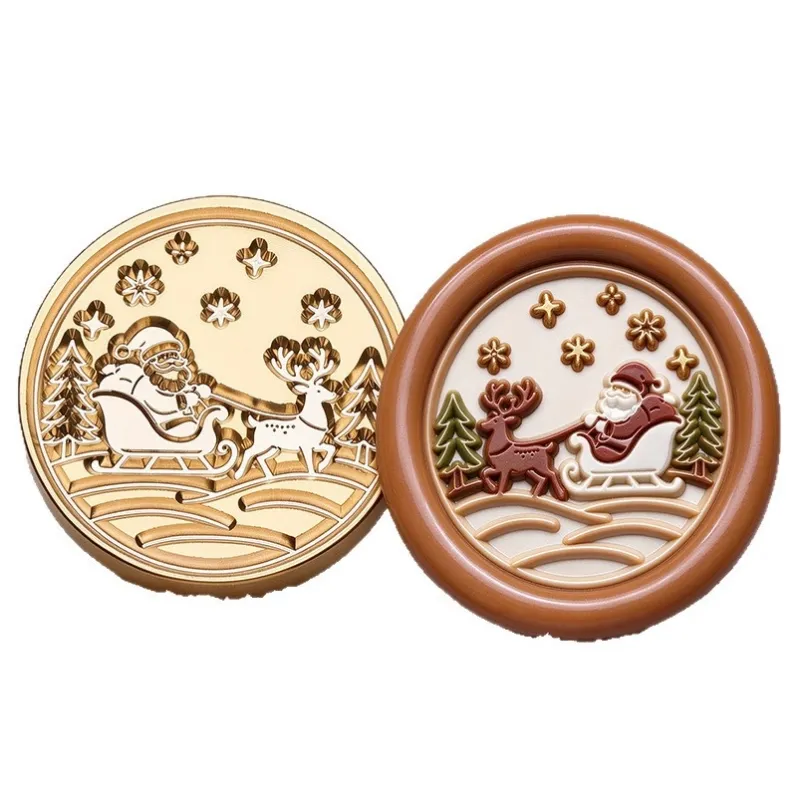
Your customer does not complain about the design. They complain when the seal arrives cracked.
In the UK, that is the sale to win or lose. Royal Mail sorting machines are built for flat paper, not for a hard, raised disc. A thick poured seal goes through the rollers and comes out chipped. The couple blames the stationer. The stationer blames you.
Start by measuring, not by guessing. Take a finished, sealed envelope and measure it with a ruler. If it is over 5mm thick, it is no longer a standard letter. It goes as a Large Letter — up to 750g, up to 250 by 353mm, up to 25mm thick. Check the current Royal Mail price before you quote. Most wax-sealed invitations land in Large Letter, and the couple needs to hear that before they pay, not at the post office.
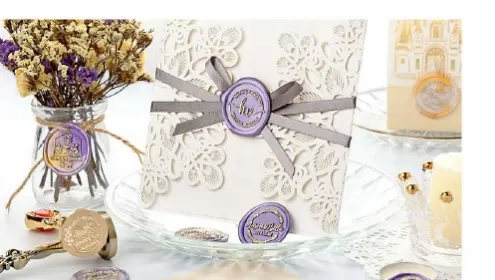
Sell flat, and sell it as a pair. A flat 25mm seal survives the post far better than a 30mm relief seal. Put the real poured wax on the inner envelope, where guests actually see it. Put a flexible pre-made seal on the outer envelope. It still looks like wax. It just bends instead of breaking.
Sell the outer mailer as part of the order, not as an afterthought. A sealed invitation inside a plain outer mailer arrives clean. A sealed invitation on its own is a gamble.
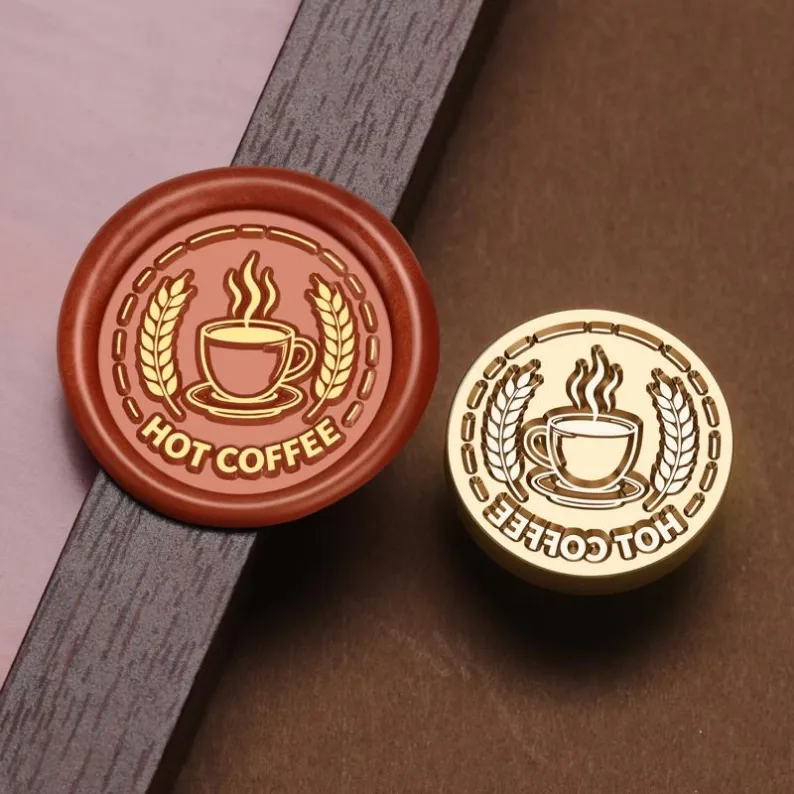
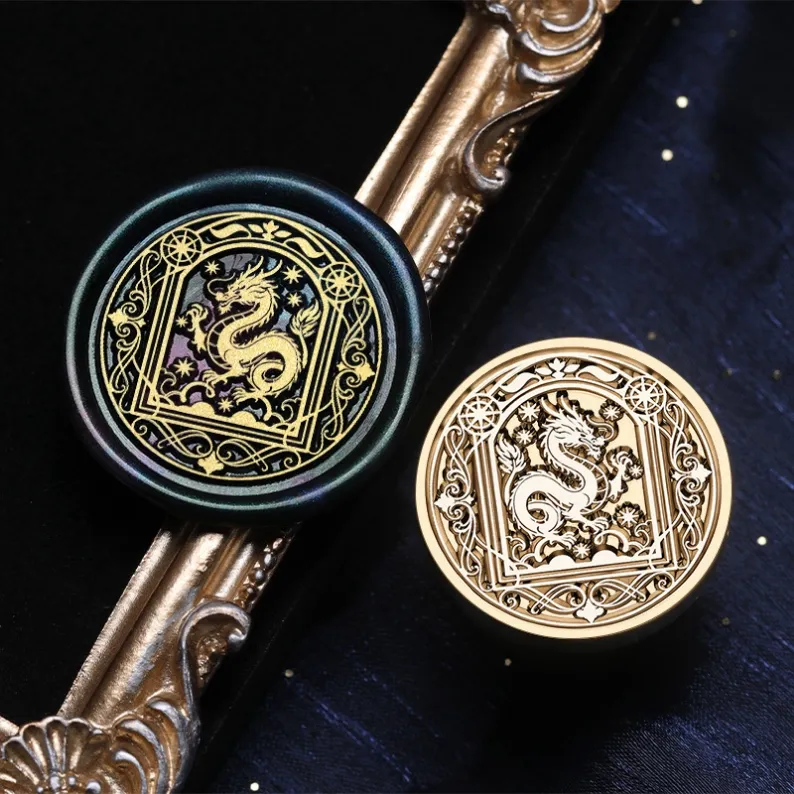
Do not take a custom order from a JPEG. Ask for a clean vector file, send a proof at real size, and get it approved before engraving. Small text is the first thing to disappear in wax.
Before you confirm, ask three questions: how thick is the finished envelope? Mailed or hand-delivered? Poured, pre-made, or both? Those answers tell you the size, the postage class, and the price to quote.